
在“双碳”目标持续推进的背景下,曾经被视为低价值废料的木片,正在成为生物质能源与碳汇产业中的“新资源”。
木材加工厂、家具厂、园林修剪站乃至农业废弃物处理企业,每天都会产生大量木片、木屑和边角料。过去,这些原料大多通过堆放、焚烧或低价处理的方式消耗,不仅占用空间,还可能带来烟尘污染和碳排放问题。而如今,随着生物炭(Biochar)和碳信用(Carbon Credit)市场的发展,木片资源的价值正在被重新定义。
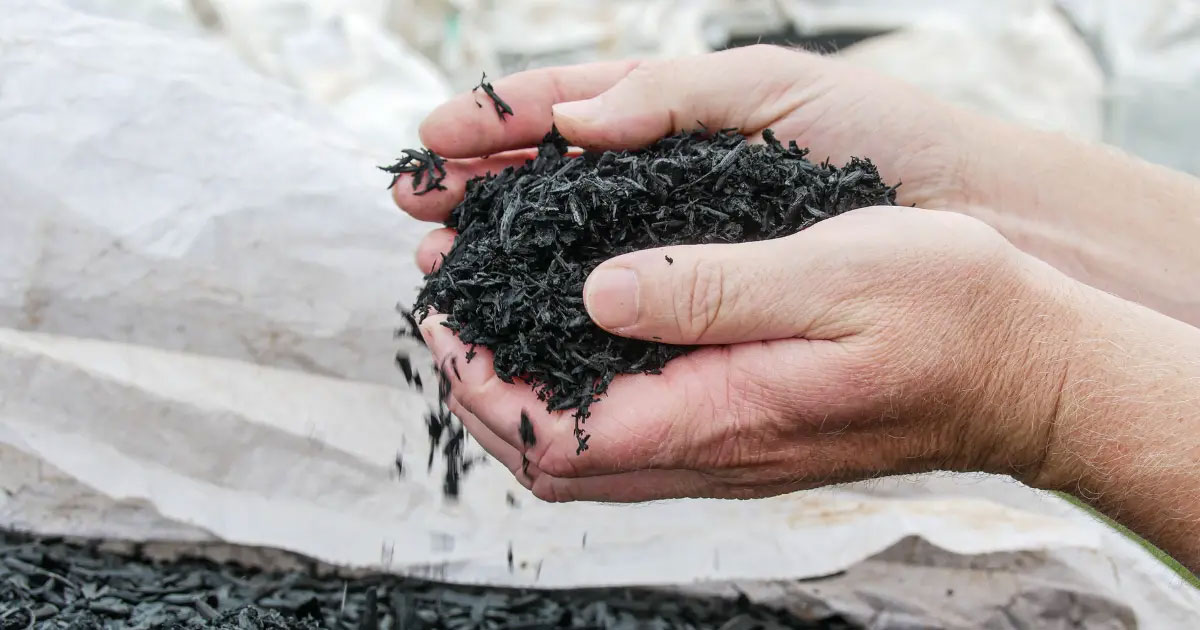
连续式炭化炉的出现,让木片炭化从传统“土法烧炭”逐渐迈向规模化、连续化、工业化生产。
作为一家专注于炭化设备研发与制造的企业,郑州市捷恒机械设备有限公司 近年来持续推进连续式炭化炉在木片资源化利用领域的应用。相比传统间歇式炭化方式,连续式炭化炉能够实现连续进料、连续出炭、自动控温,不仅提升了生产效率,也大幅降低了人工与能耗成本。
更重要的是,木片经过高温缺氧炭化后形成的生物炭,已经不再只是普通燃料。
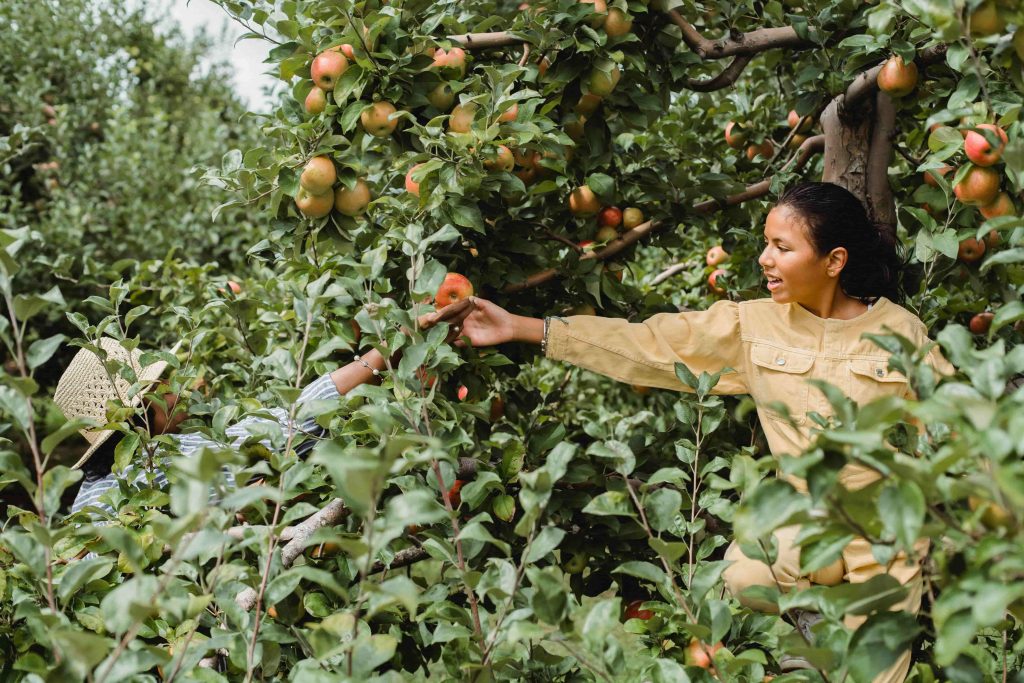
研究显示,生物炭具有稳定的碳结构,可以将木材中的碳元素长期固化于土壤中,部分碳封存时间甚至可达数百年。这意味着,木片在炭化过程中,并不是简单“燃烧消失”,而是以另一种稳定形式参与到碳循环体系中。
也正因为如此,生物炭被越来越多国家和机构纳入碳减排与碳汇体系。
在国际市场上,生物炭碳移除(Biochar Carbon Removal)已逐渐成为自愿碳市场的重要方向。一些农业企业、环保机构甚至开始通过生物炭项目申请碳信用额度,实现“废弃物处理 + 碳减排收益”的双重价值。
对于木材加工企业而言,这种变化意味着一个新的产业逻辑:
过去需要花钱处理的木片废料,如今有机会转变为:
生物炭产品
土壤改良材料
清洁燃料
碳汇资产
特别是在东南亚、非洲及南美等木材资源丰富地区,越来越多企业开始关注连续式炭化设备,希望通过炭化工艺提升资源利用率,并探索未来碳信用市场的可能性。
据了解,郑州市捷恒机械设备有限公司 的连续式炭化炉目前已应用于木片、稻壳、锯末、竹屑等多种生物质原料的炭化处理。设备采用连续运行结构,可根据原料含水率和产能需求进行调整,适用于中大型生物质炭化项目。
在“双碳”时代,真正有价值的,不只是能源本身,而是如何让废弃资源重新进入循环。
从一堆普通木片,到稳定碳汇载体,连续式炭化炉正在让“废料”拥有新的产业意义。
—— English Version ——
As global carbon reduction goals continue to advance, wood chips — once considered low-value waste — are rapidly becoming a new resource in the biomass energy and carbon sequestration industry.
Wood processing plants, furniture factories, landscaping companies, and agricultural waste facilities generate large quantities of wood chips, sawdust, and wood residues every day. In the past, most of these materials were simply piled up, burned, or sold at very low prices, causing not only space and pollution problems but also unnecessary carbon emissions.
Today, with the growing development of the biochar and carbon credit markets, the value of wood waste is being redefined.
The emergence of continuous carbonization furnaces has transformed wood chip carbonization from traditional batch-style charcoal making into a modern industrialized, continuous, and automated production process.
As a professional manufacturer specializing in carbonization equipment, 郑州市捷恒机械设备有限公司 has been actively promoting the application of continuous carbonization furnaces in biomass resource utilization.
Compared with traditional intermittent carbonization methods, continuous carbonization furnaces can achieve continuous feeding, continuous discharge, and automatic temperature control. This not only improves production efficiency but also significantly reduces labor and energy consumption costs.
More importantly, the biochar produced from wood chips under high-temperature oxygen-limited conditions is no longer viewed as just an ordinary fuel.
Studies have shown that biochar has a highly stable carbon structure capable of storing carbon in soil for hundreds of years. This means the carbon contained in wood is not simply released into the atmosphere through burning, but instead converted into a long-term carbon storage material within the natural carbon cycle.
For this reason, biochar is increasingly being included in carbon reduction and carbon sequestration systems worldwide.
In the international market, Biochar Carbon Removal (BCR) is gradually becoming an important sector within the voluntary carbon market. Some agricultural enterprises and environmental organizations are already exploring carbon credit applications through biochar projects, creating dual benefits from both waste treatment and carbon reduction revenue.
For wood processing companies, this represents an entirely new business opportunity.
Wood waste that once required disposal costs may now be converted into:
Biochar products
Soil improvement materials
Clean fuel
Carbon sequestration assets
Especially in regions rich in biomass resources — such as Southeast Asia, Africa, and South America — more companies are paying attention to continuous carbonization technology in order to improve resource utilization efficiency and explore future carbon credit opportunities.
According to industry applications, the continuous carbonization furnaces manufactured by Zhengzhou Jieheng Machinery Equipment Co., Ltd. are currently used for processing wood chips, rice husks, sawdust, bamboo waste, and other biomass materials. The equipment adopts a continuous operation structure and can be adjusted according to material moisture content and production capacity requirements, making it suitable for medium and large-scale biomass carbonization projects.
In the era of carbon neutrality, the true value lies not only in energy itself, but also in how waste resources can re-enter the cycle of sustainable utilization.
From ordinary wood chips to stable carbon sequestration materials, continuous carbonization furnaces are giving biomass waste a completely new industrial meaning.